What Is GMP Certification? Why Your Supplement Brand Needs It
Good Manufacturing Practices shape what happens before your liquid supplement reaches a shelf: ingredient checks, cleaning, filling, testing, and release. When you are choosing a production partner, understanding GMP helps you separate documented quality systems from attractive packaging and broad assurances.
In this article
ToggleWhat is GMP certification in the supplement industry?
GMP certification means an independent organization has audited specified operations against an identified Good Manufacturing Practice standard. The certificate should name the audited site, relevant activities, issuing body, and validity period. It is evidence of an assessed system, not a guarantee that every product is flawless.
The first question, what is GMP, has a practical answer: it is a framework for making products consistently under controlled conditions. If you are wondering what does GMP mean for your own brand, think about whether your manufacturer can demonstrate how each bottle was made and approved.
In the United States, covered dietary supplement operations must follow FDA rules under 21 CFR Part 111, alongside applicable food requirements. The FDA inspects facilities but does not award GMP certificates after inspections. Private certification and compliance with the law are different things, so check both. [1][2]
The core requirements and standards of Good Manufacturing Practices
So, what is GMP manufacturing in practice? It is a repeatable process with specifications, trained people, documented decisions, and corrective action when something goes wrong. For liquid formats, the details begin well before filling.
Ingredients need a verified identity
A ginger extract, turmeric ingredient, or botanical blend should arrive with specifications appropriate to its intended use. Plant name alone does not describe concentration or purity. Research on botanical authentication explains how substitution and adulteration can complicate sourcing, making suitable identity tests and supplier checks important. [3]
For a collagen shot, you may also need evidence covering ingredient origin and allergens. Vitamins introduce questions about declared amounts and how those amounts change during storage. We discuss these points while developing a recipe rather than waiting for finished bottles to reveal a problem.
Clean production depends on everyday discipline
Hygiene procedures need to cover staff, equipment, contact surfaces, and maintenance. If several formulas share a production line, documented cleaning and sensible scheduling help manage cross contact. Training records demonstrate that employees understand their assigned tasks, while supervisors check that procedures are followed.
Each batch needs a clear history
Batch records connect raw material lots with processing steps, filling dates, packaging, and release decisions. Depending on the formula, checks may cover temperature, acidity, fill volume, seal integrity, and microbiological specifications. Their purpose is practical: when a retailer asks about a particular delivery, you should know which production records to review. Clear lot codes help connect that delivery to the right documentation.
Stability starts with formulation
Vitamin C offers a useful example. A scientific review identifies oxygen and temperature as important factors in its degradation during processing and storage. A liquid formula therefore needs a suitable process, packaging choice, and stability plan to support its intended shelf life. [4]
A ginger based blend and a collagen formula will not automatically require identical testing. Their ingredients, acidity, packaging, and storage conditions influence the questions your technical team should investigate. Agree on acceptance limits before the first run.
How partnering with a GMP certified manufacturer protects your business
An appropriately scoped certificate gives you a starting point for evaluating a supplier. Review the certificate itself rather than relying on a website badge. Yet the real protection comes from clear responsibilities, available records, and a realistic response plan when a batch falls outside specification.
Before committing to production, ask for the following documents and explanations:
- a current certificate: showing the standard, audited activities, issuing organization, and expiration date;
- example batch documentation: linking ingredient lots, checks, and final release;
- a testing and stability plan: appropriate to the exact liquid formula and packaging;
- complaint and recall procedures: identifying who makes decisions and contacts customers.
As a functional shots manufacturer, we bring formulation, ingredient sourcing, and production planning into the same conversation. That helps you understand which technical questions need answers before a concept becomes a retail order.
Chias Brothers has specialized in functional shots and liquid supplements since 2015, developing more than 250 products for brands and retail channels. Chias Brothers Europe holds IFS Broker and EU organic certification, covering areas including sourcing, supplier management, and quality oversight within the supply chain. GMP documentation, however, applies to the specific manufacturing site carrying out production. Before placing your first order, confirm which facility will manufacture your batch and request that site’s current GMP documentation directly, including its scope and validity, rather than relying on a general statement about the manufacturing network.
. [5][6]
Does your business need to comply with GMP standards?
Yes, your product and activities must meet the applicable safety and manufacturing rules in each destination market. Whether a particular independent certificate is required depends on the legal setting and your customers’ purchasing conditions.
For US dietary supplements, Part 111 sets requirements for covered manufacturing, packaging, labeling, and holding activities. For food products sold in the EU, Regulation (EC) No 852/2004 establishes hygiene obligations, including procedures based on HACCP, meaning Hazard Analysis and Critical Control Points. These procedures identify significant safety hazards and establish ways to control them. [1][7]
So, what is GMP in food industry terms? It concerns how a food or supplement is produced and controlled, but the exact duties depend on product classification and jurisdiction. In the EU, supplements may be sold as liquids in measured doses; a functional drink is not automatically classified as a supplement simply because it contains vitamins or botanicals. [8]
When a buyer asks, “what is GMP standards referring to here?”, the answer should name the specific standard and the activities it covers. A supplier’s certificate for trading or sourcing does not establish that a different manufacturing site has undergone the same audit.
Our private label manufacturer service supports custom development, sourcing, filling, and packaging for your own concept. If you prefer an established formula with your branding, our white label manufacturer route provides a different development path. Either way, agree in writing who reviews labels, signs off specifications, and checks destination market requirements.
Building consumer trust and brand reputation through proven quality control
Trust becomes easier to earn when you can explain the controls behind a product without hiding behind a logo. Mintel identifies continuing interest in functional drinks, while Grand View Research tracks the category as a distinct beverage market. These reports describe commercial interest, not proof that an individual ingredient or finished shot delivers a particular health benefit. [9][10]
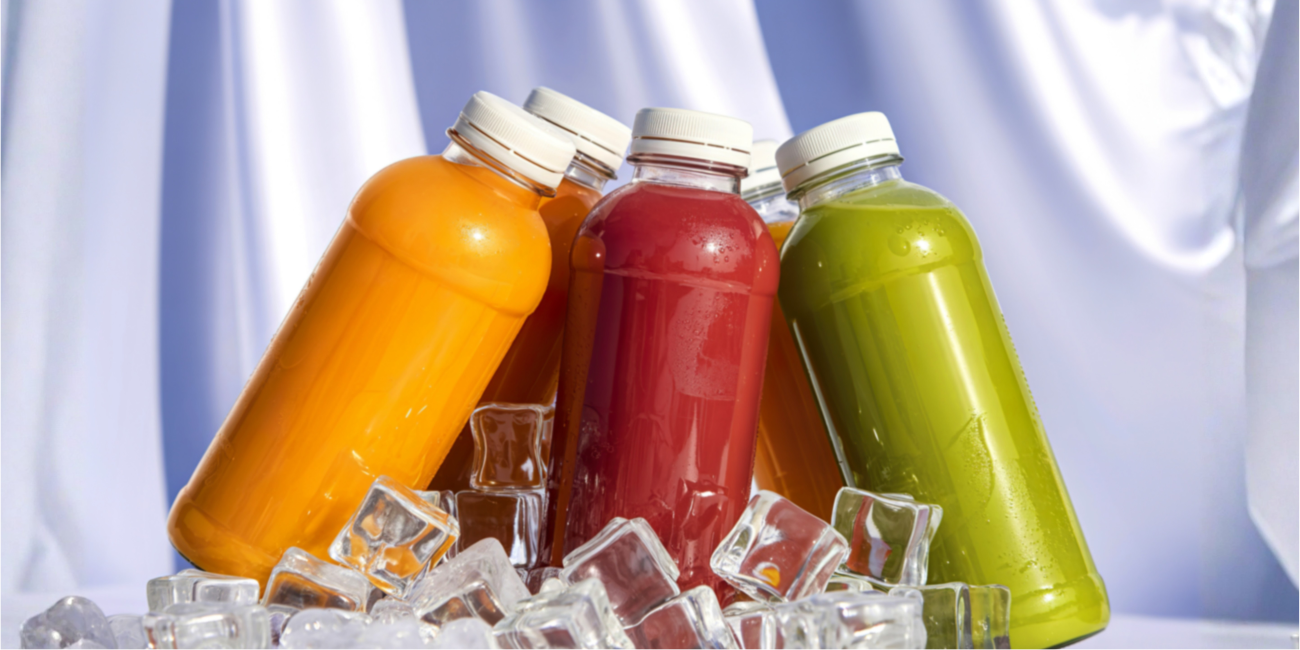
For your product page, practical explanations often work better than sweeping promises. Show a ginger concept alongside its ingredient story, give a collagen formula clear serving information, and describe the relevant storage instructions for a vitamin shot. A compact gallery can make the range easy to explore while leaving technical claims precise and restrained.
We support brands with an approach built around clear briefs, traceable sourcing, and coordinated development. Your next conversation with a manufacturing partner should establish what gets checked, where evidence is stored, and who acts when results do not meet the agreed specification. Those answers give your distributors and retail buyers something concrete to trust when your range begins to grow.
References:
[1] https://www.fda.gov/food/guidance-regulation-food-and-dietary-supplements/current-good-manufacturing-practices-cgmps-food-and-dietary-supplements U.S. Food and Drug Administration. Current Good Manufacturing Practices (CGMPs) for Food and Dietary Supplements.
[2] https://www.fda.gov/food/food-export-certificates/export-certification-faqs U.S. Food and Drug Administration. Export Certification FAQs.
[3] https://pmc.ncbi.nlm.nih.gov/articles/PMC9972475/ Gafner, S., et al. (2023). Botanical Ingredient Forensics: Detection of Attempts to Deceive Commonly Used Analytical Methods for Authenticating Herbal Dietary and Food Ingredients and Supplements. Journal of Natural Products, 86(2), 460–472.
[4] https://pmc.ncbi.nlm.nih.gov/articles/PMC8619176/ Giannakourou, M. C., and Taoukis, P. S. (2021). Effect of Alternative Preservation Steps and Storage on Vitamin C Stability in Fruit and Vegetable Products: Critical Review and Kinetic Modelling Approaches. Foods, 10(11), 2630.
[5] https://shotcopacker.eu/ Chias Brothers Europe. Private Label & White Label Supplements Manufacturer.
[6] https://ifs-web-prod.ifs-certification.com/en/ifs-portfolio/standards/broker-standard IFS Certification. IFS Broker Standard.
[7] https://food.ec.europa.eu/food-safety/biological-safety/food-hygiene/legislation_en European Commission. Food Hygiene Legislation: Regulation (EC) No 852/2004.
[8] https://food.ec.europa.eu/food-safety/labelling-and-nutrition/food-supplements_en European Commission. Food Supplements: Directive 2002/46/EC.
[9] https://www.mintel.com/insights/food-and-drink/the-future-of-global-functional-drinks-trends/ Mintel. The Future of Global Functional Drinks Trends. Updated March 2, 2026.
[10] https://www.grandviewresearch.com/industry-analysis/functional-drinks-market Grand View Research. Functional Drinks Market Size, Share & Trends Analysis Report, 2026–2033.
Related articles