Chias Brothers » Is Building Modern Zones in Retail Chains the Key to Satisfying the Modern Consumer?
Is Building Modern Zones in Retail Chains the Key to Satisfying the Modern Consumer?
In their pursuit of new ways to reach consumers, Polish retail chains are proving to be incredibly innovative. One interesting practice we constantly analyze is the development of modern in-store zones.
As a supplier, we’ve participated in creating such solutions, and we believe these zones boost store turnover for several reasons:
Immediate understanding of what type of products are found in the zone. Purchase decisions happen fast-if a consumer doesn’t immediately understand the product, they won’t buy it.
Greater trust in the products found there. For example, a high-protein porridge placed on a shelf labeled „FIT” is perceived as more credible than one found in the breakfast section.
Increased store appeal.
Greater shopping convenience, making it easier for consumers to find what they need.
This shift requires retailers to completely rethink their approach to shelf display and category management. It’s no longer enough to place a few functional products on a generic health food shelf. A thoughtful strategy is essential—one based on shopping missions and aligned with customer needs. (Filip Szofer, Export and Marketing Director at Chias Brothers Europe)
Consumers are increasingly interested in local and seasonal products and are often willing to pay more for them. Offering regional goods can help a store stand out, build community support, and align with trends related to health and sustainability. These products are often seen as fresher, of higher quality, and more environmentally friendly. Supporting local businesses is also a priority for many shoppers. This can include fresh fruits and vegetables from local farmers, regional cheeses and cured meats, honey, or bread from local bakeries. A regional zone is not just a themed shelf-it’s a vital component in attracting customers and building a positive brand image.
Functional Food Zones:
Functional food zones are among the most popular sections in grocery stores. Modern stores are increasingly allocating more shelf space and strategically placing healthier food options. Positioning them in high-traffic areas like entrances or dedicated wellness aisles encourages healthier consumer choices and boosts sales of these products.
Making healthier choices more visible and accessible enables stores to respond to growing demand and even shape consumers’ purchasing habits toward better nutrition.
Health and wellbeing are no longer niche topics—they are top priorities. This shift is driving strong growth in healthy food categories. Awareness of the connection between diet and health has significantly increased interest in healthy alternatives. (Artur Cichy, Key Account Manager – Convenience & Petrol, Chias Brothers Europe)
Examples of In-Store Functional Zones
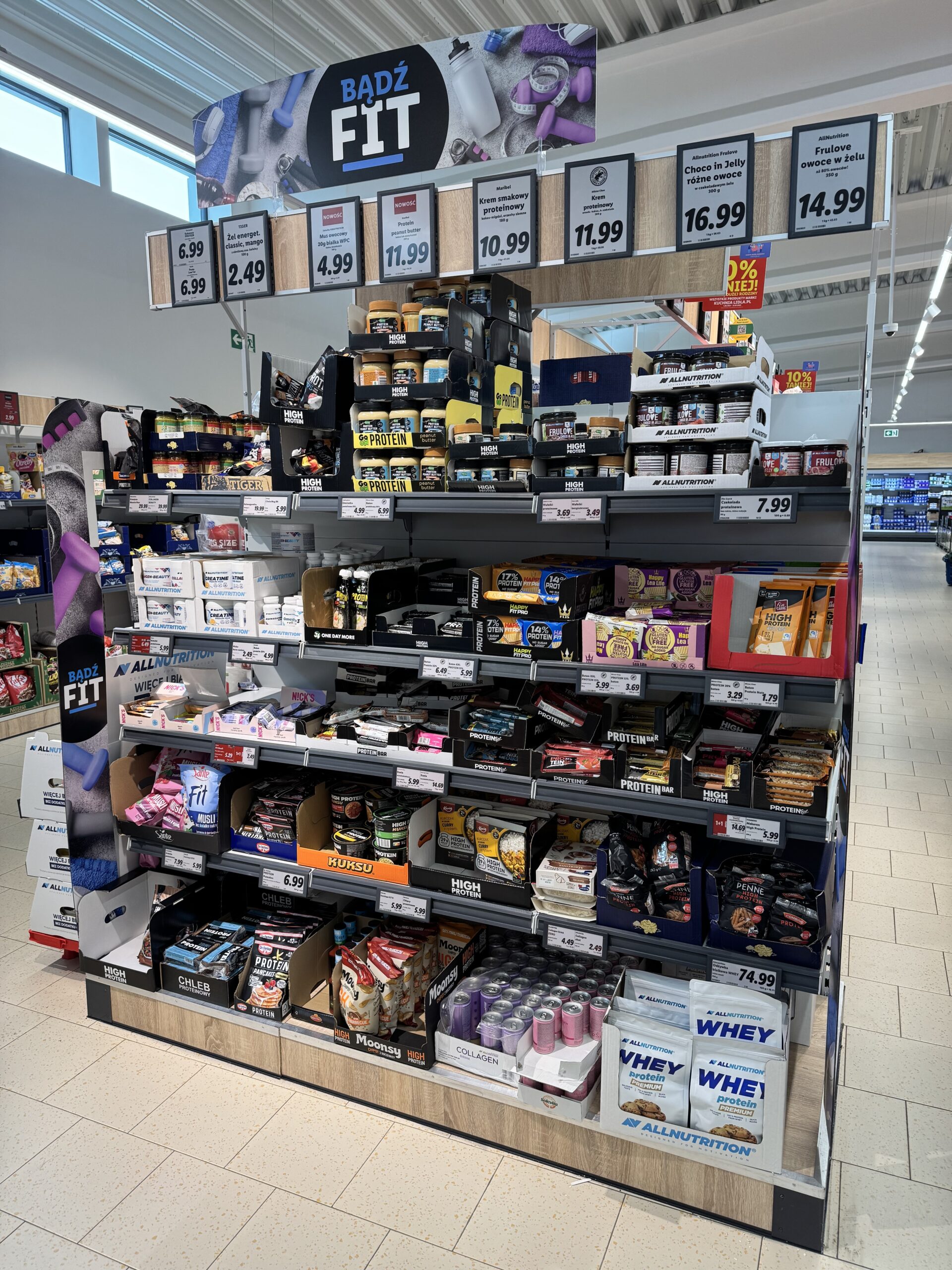
Lidl features an extended range of functional foods at a specially marked aisle end: “Be FIT.” The range includes protein drinks, energy bars, and gluten-free products.
Notably, over the past six months, the number of private label products has increased significantly, many at lower prices than branded equivalents. Lidl has expanded its assortment with private label offerings to better meet growing demand for healthy, functional products and ensure better availability and pricing.
Biedronka has expanded its assortment through a dedicated “Natural and Healthy” zone, launching several private labels such as GoBIO, Go Vege, and Go Active. These brands offer a wide selection of products that align with the functional food concept.
To make it easier for customers to find these products, they’re distributed across multiple store sections according to type – e.g., GoBIO in the organic section, Go Vege in the plant-based section, and Go Active near sports nutrition or in dairy refrigerators. Although the “Natural and Healthy” zone is the main hub, selected private label items are also found in other parts of the store.
This integration strategy may improve accessibility for a broader audience who aren’t necessarily looking for a specialized zone, though it may also make it harder for functionally focused shoppers to find what they want.
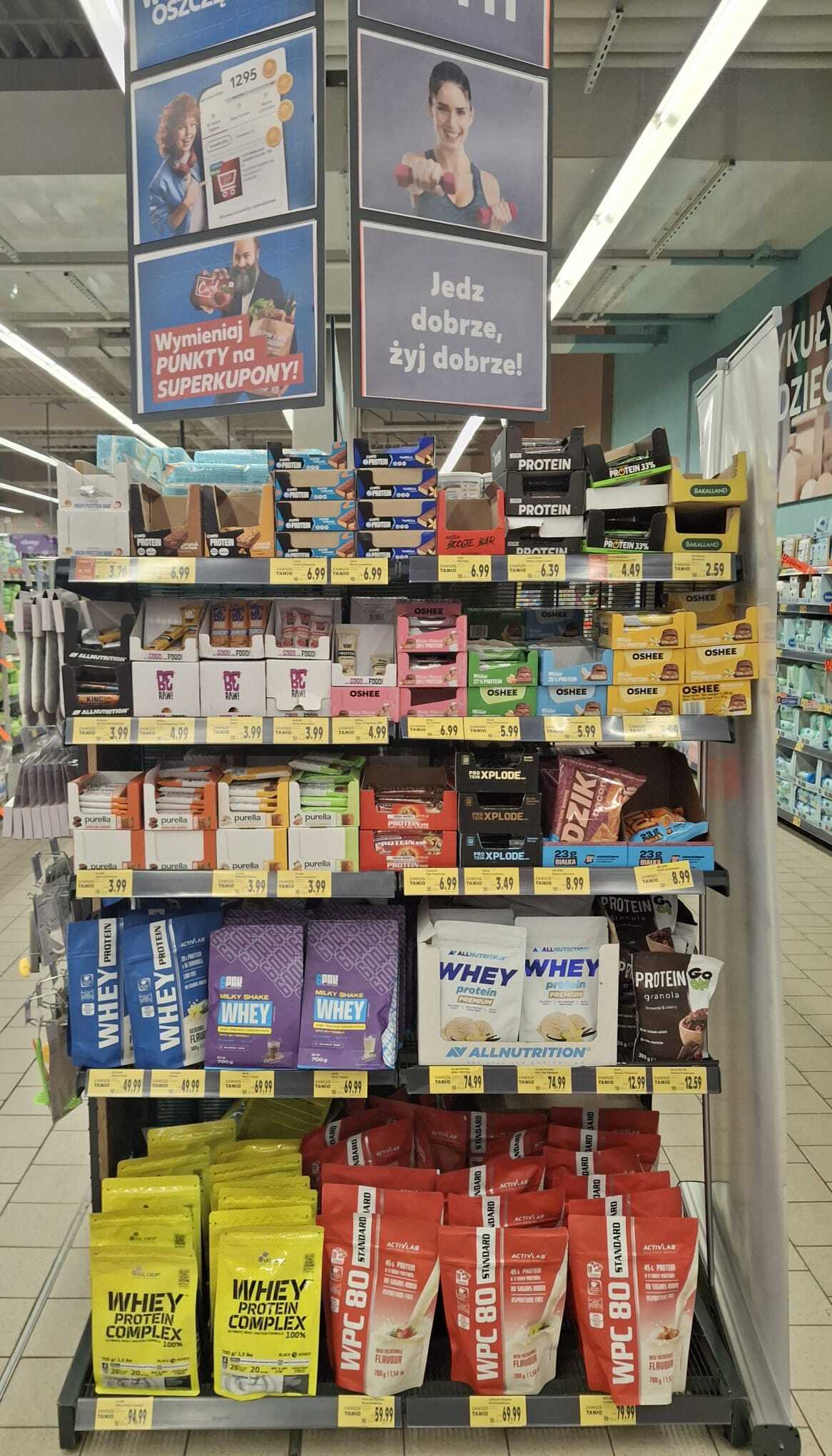
Hypermarkets like Auchan and Kaufland have also been rapidly developing functional food zones, responding to increased demand for healthy and specialized products. These chains emphasize clear functional divisions of products, which make navigating BIO offerings and dedicated shelves for dietary, vegan, gluten-free, or reduced-sugar products easier. (Mateusz Krüger, Key Account Manager – Retail Chains, Chias Brothers Europe)
What About Other Retail Channels?
Clear signage and consumer education are essential. Shoppers should easily understand the benefits of each product. A great example is Auchan’s “superfoods” concept, where protein bars, health shots, and dietary supplements are displayed together. This makes it easier to find what you need, elevates the perceived quality, and encourages shoppers to choose healthier options.
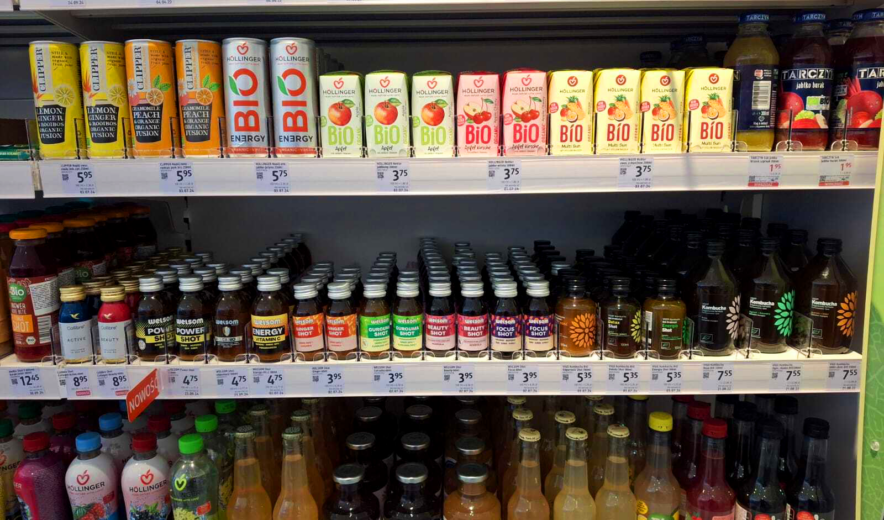
In the convenience segment, building functional shelves is crucial – consumers shop impulsively here and want quick, easy solutions. Żabka, a segment leader, successfully manages its functional products category by placing them near checkout counters and coffee stations.
Traditionally focused on immediate consumption and daily-use impulse items, convenience stores are now embracing functional products with health benefits or dietary features. This shift helps convenience stores remain competitive and relevant in a market where consumers are increasingly conscious and demanding about their dietary choices.
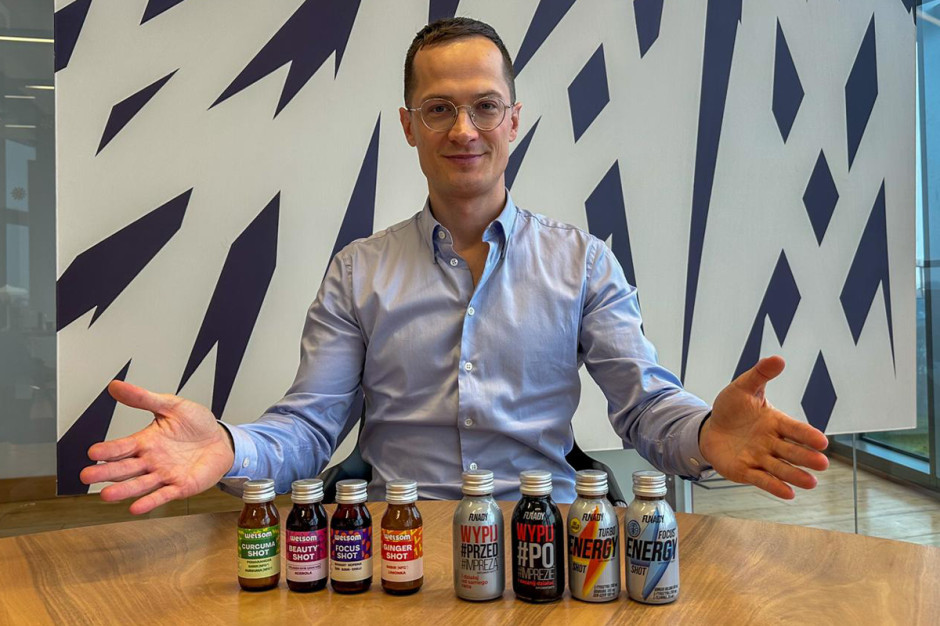
A dedicated shelf for functional shots in coolers helped generate tens of millions of złoty in incremental revenue within a year.
This proves that strategic placement of functional product zones—especially near related categories (e.g., vitamin shots next to coffee)—can significantly boost sales dynamics.
People often buy healthy drinks not because they were searching for them, but because they’re conveniently placed and naturally aligned with their needs.
Fuel stations are following a similar strategy, transforming into quick and convenient shopping spots. They’re increasingly installing fridges with drinks enriched with caffeine, adaptogens, or vitamins, placed next to coffee and traditional energy drinks. This meets the growing demand for healthy alternatives to typical stimulants and reflects increasing health awareness.
Catering to travelers means emphasizing functional products like electrolyte-enhanced beverages or protein drinks suitable for on-the-go consumption.
It’s also worth noting that fuel stations are expanding their functional product range because margins are significantly higher than on fuel. (Artur Cichy, Key Account Manager – Convenience & Petrol, Chias Brothers Europe)
Expert Tips – How to Build Functional Shelves Effectively
Building effective functional shelves is a core sales strategy. It allows not only for visually appealing displays, but most importantly, for meeting real consumer needs and increasing basket value.
To maximize shelf effectiveness, it’s important to understand that many purchase decisions are impulsive. That’s why it’s crucial to arrange displays that attract attention and invite exploration.
The person responsible for the shelf should go beyond assigning space to a single product group (e.g., beverages). A lack of visual consistency can make the shelf less attractive. Clear zoning and consistent visual identity help build strong category recognition and make it easier for consumers to find what they’re looking for.
Additionally, analyzing sales data and consumer preferences allows for personalization and adjustment of the assortment to individual needs. The key is creating needs and guiding the consumer from familiar products to innovations and more advanced solutions.
This approach builds customer loyalty and drives real sales growth. (Filip Szofer, Export and Marketing Director, Chias Brothers Europe)
Passionate about emerging marketing trends, especially in the health and functional food industries. A travel enthusiast and devoted cat lover, she brings creativity and insight to content strategy and brand development.











Dodaj komentarz